From the Sidelines · Ask Dr. G
My doctor mentioned PRP for my sore knee. What actually is it?
Platelet-rich plasma, explained in plain English: what it is, what it isn't, and why the old research was messier than the treatment deserves.
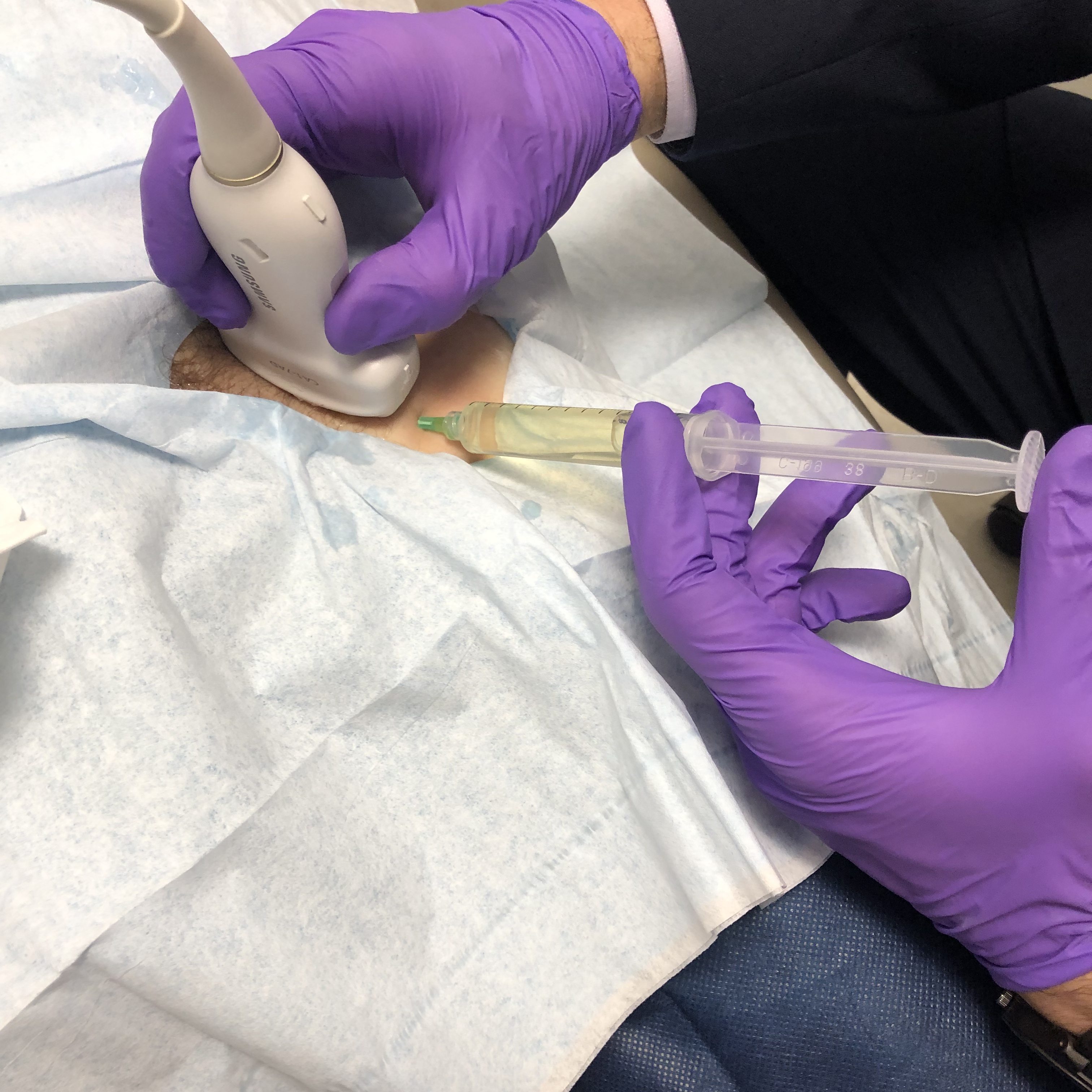
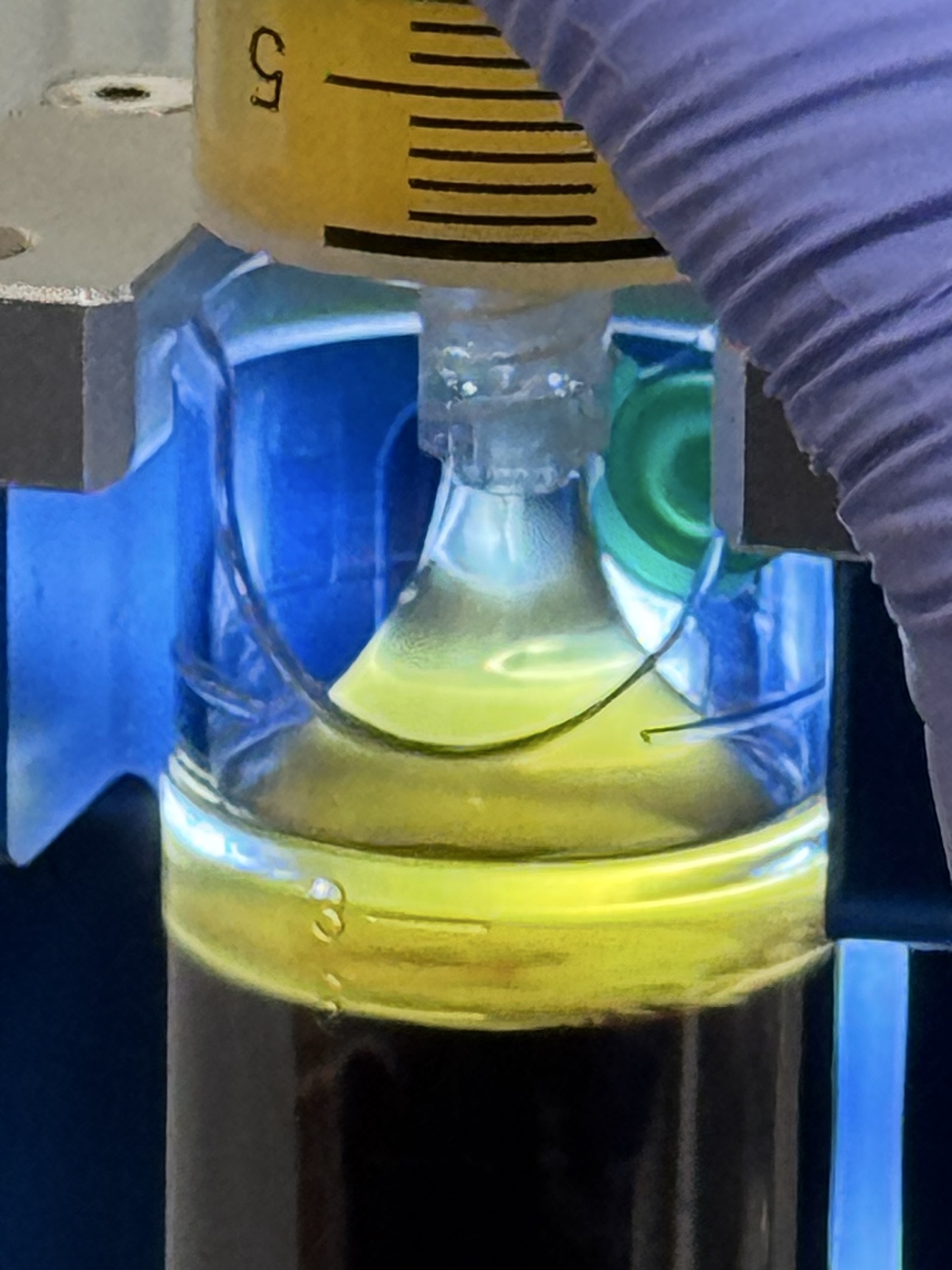
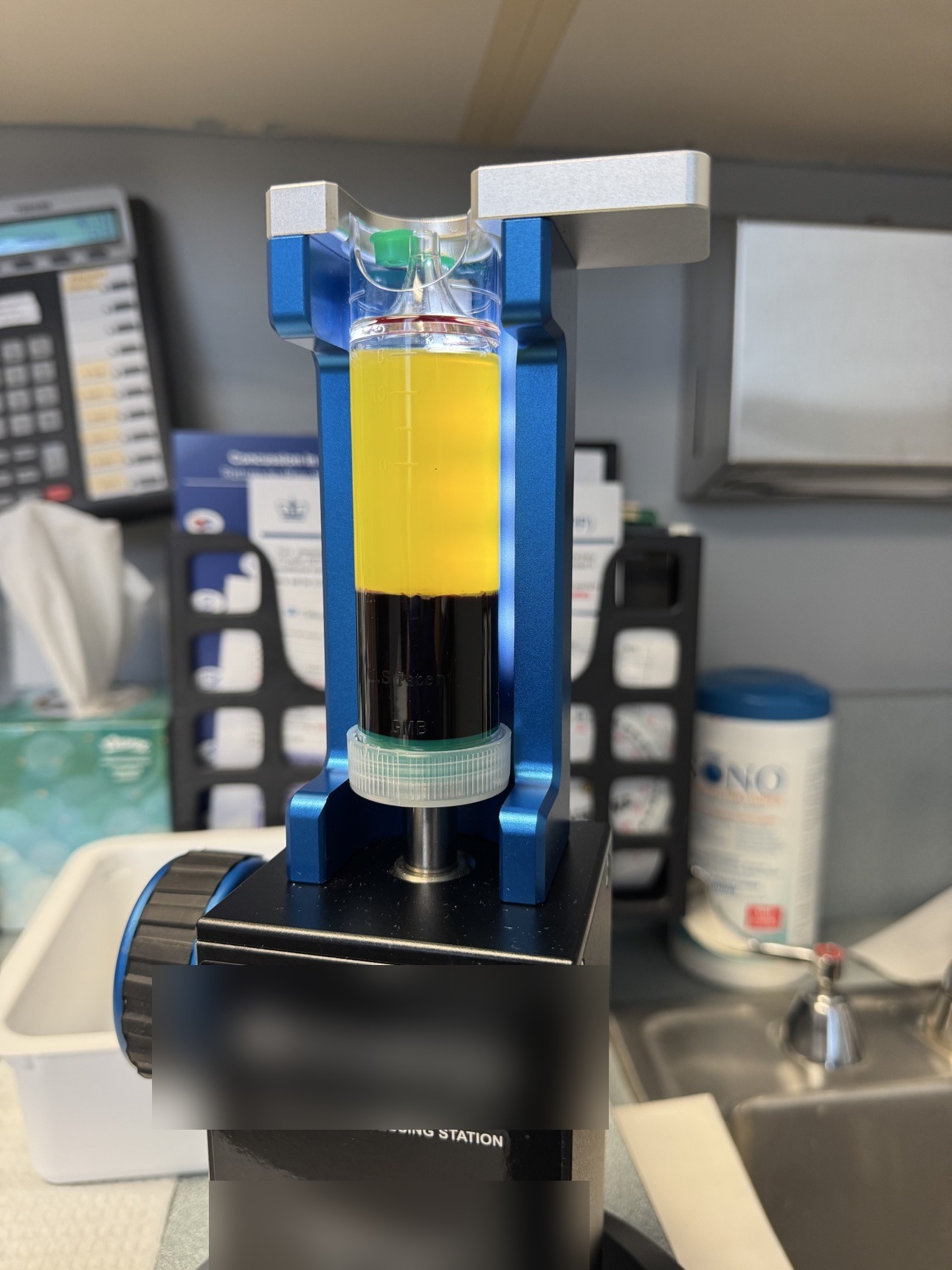
Straight answer: PRP stands for platelet-rich plasma. It's a small amount of your own blood, spun in a centrifuge to concentrate the platelets, then injected into the injured tissue. That's the whole trick - and the whole story is a bit more nuanced than the hype makes it sound.
The question
"I tweaked my knee a few months ago and it still aches. My friend got a PRP shot for his elbow and swears by it. Should I?"
What PRP is
Blood is mostly red cells and water. Mixed in are platelets - the cell fragments that rush to a cut and form a clot. Platelets also carry signaling molecules that tell tissues to get busy repairing themselves. The idea behind PRP: take your blood, spin out the red cells, keep the platelet layer, and put that concentrated mix exactly where the injury is. Think of PRP like biologic super glue - your own blood, concentrated into the signals that tell tissue to seal and repair itself. It's an office procedure - blood draw, a 10-minute spin, one injection, all in the same visit.
What PRP isn't
It is not a shortcut past rehab, and it is not a cure for everything. The research is genuinely strongest in a few specific spots - chronic tendons that have stopped responding to rehab (patellar tendinopathy, tennis elbow, some Achilles problems) and certain knee arthritis cases. For muscle tears, ligament injuries, and advanced arthritis, the evidence is thinner, and the answer depends on the details of your case.
It's also not one thing. There are leukocyte-rich and leukocyte-poor versions, single-spin and double-spin kits, different doses. A study showing benefit with one preparation doesn't automatically apply to a different one.
Why the old research was all over the place
PRP earned a lot of its skepticism when it first came onto the scene 30-40 years ago. The early studies were a little messy: different kits, different spin protocols, platelet concentrations that varied wildly and often went unmeasured. When the dose isn't standardized, results can't be compared across studies, and most of those studies were small to begin with. That is the literature many physicians formed their opinion on, and a lot of them never updated it. So if a doctor dismisses PRP outright, it's fair to ask whether they're judging the treatment or judging decade-old studies of it.
The science has moved on. Modern systems can precisely dial in platelet formulation and concentration, and the newer trials bring consistent preparations, better methodology, and larger patient groups. The recent data is very encouraging across the board for PRP use in musculoskeletal injuries. The field isn't finished, but it isn't the wild west anymore.
What the day looks like
The shot itself is quick - most people describe a few minutes of pressure, sometimes aching for a day or two after. Because PRP uses your own blood, infection and allergy risk are very low. The hard part is patience: the benefit, when it comes, usually shows up over weeks, not days. If someone promises you a one-shot fix, that's a red flag.
When to get checked
Anything with swelling that doesn't come down, locking or catching, a knee that gives way, or pain that keeps you from sleeping deserves a look by a physician before you consider any injection. PRP is a treatment for a diagnosis - the diagnosis comes first.
The takeaway
PRP is a reasonable, low-risk tool for the right tendon or joint problem when rehab has stalled - but "your own blood, concentrated, delivered precisely" is a mechanism, not a promise. The right question isn't "does PRP work?" It's "does PRP work for what I have?" That's the conversation worth having with your sports medicine physician.
Have a question you'd like covered in a future post? Send it to Ask Dr. G. Reader questions shape what I write next.
For education only - not medical advice.
Next step
Want a personal evaluation?
From the Sidelines is educational. For care, reach the practice directly.